
Sleep and Testosterone: How Poor Sleep Can Quietly Lower Your Hormones
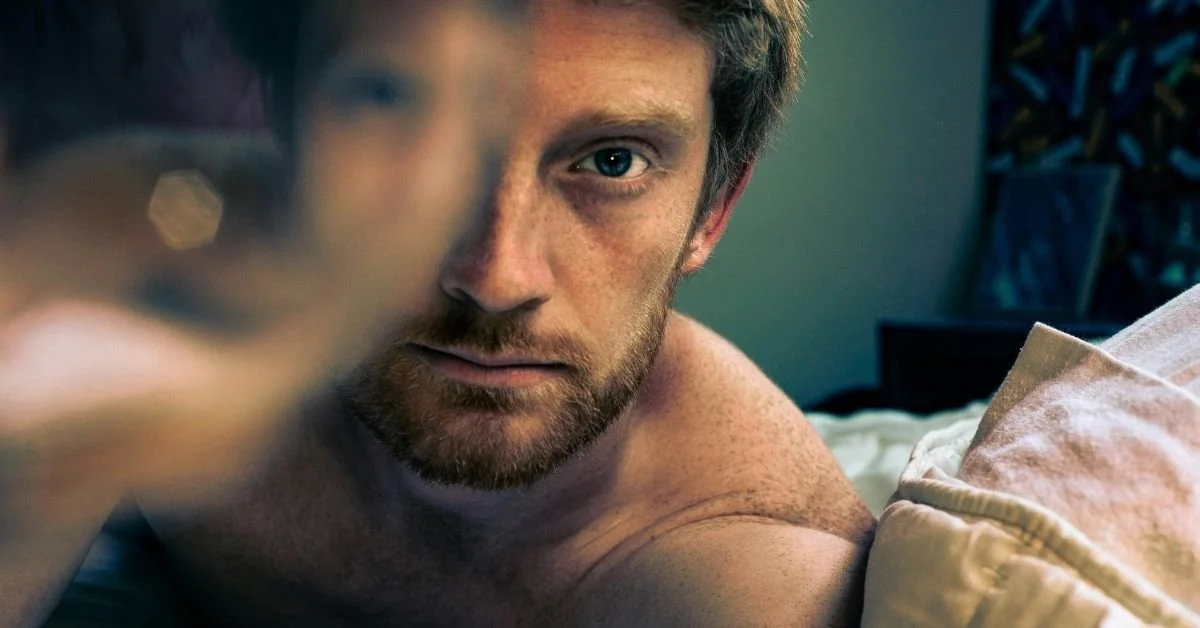
You buy the protein. Do the workouts. Remember the supplements.
Then stay up until midnight, set a 5.30am alarm and wonder why your energy, recovery and sex drive have gone missing.
Sleep is often the first thing we sacrifice, and the last thing we investigate.
Could your nights be affecting your testosterone? The research suggests they can. But the explanation needs more than a dramatic headline.
Contents
The 30-second answer
What the research actually shows
Sleeping enough, or just spending enough time in bed?
What helps?
Find out what is happening overnight
Frequently asked questions
The 30-second answer
Testosterone normally rises during sleep (Wittert, 2014). Significant sleep loss can lower levels, while sleep apnoea is associated with lower testosterone too, although body weight explains much of that link.
The effects vary between people and studies. Poor sleep does not automatically mean testosterone deficiency, and improving sleep cannot guarantee a particular hormone increase.
It is still worth investigating. Your health benefits from sleep extend well beyond a blood result.
What the research actually shows
A much-quoted 2011 study followed 10 healthy young men. After approximately a week with five-hour nightly sleep opportunities, their daytime testosterone was 10 to 15% lower than after well-rested nights (Leproult and Van Cauter, 2011).
That is interesting evidence, not proof that a few late nights age your hormones by a decade.
A larger 2021 review combined 18 studies involving 252 men. Total sleep deprivation (24 hours or more without sleep) reduced testosterone, but short-term partial sleep restriction did not produce a statistically significant reduction overall (systematic review and meta-analysis, 2021).
Duration, timing and individual circumstances matter. There is no reliable formula for turning hours missed into testosterone lost.
Sleeping enough, or just spending enough time in bed?
Your partner says you snore. You insist you sleep brilliantly.
Yet you wake with a headache, need coffee immediately and could doze off by lunchtime.
That deserves a closer look.
Obstructive sleep apnoea involves repeated narrowing or closure of the airway during sleep. Breathing interruptions can disrupt sleep without you remembering each awakening.
Warning signs include:
Loud snoring
Gasping or witnessed breathing pauses
Waking unrefreshed
Morning headaches and daytime sleepiness
Sleep apnoea is linked with lower testosterone, but body weight complicates the relationship: after adjusting for age and obesity, apnoea itself appears to have little direct effect, and weight loss raises testosterone more reliably than treating the apnoea does (Wittert, 2014). CPAP treatment does not reliably raise testosterone in every man (CPAP meta-analysis), but treating sleep apnoea remains important for health. See the NHS guidance on sleep apnoea.
A normal testosterone result cannot rule out a sleep problem.
What helps?
Give sleep a realistic place in your schedule. Most adults need around seven to nine hours (NHS). Aim for sufficient opportunity across the week rather than treating sleep as whatever remains after everything else.
Anchor your mornings. Keep your wake-up time reasonably consistent (NHS) and get outside for daylight. Support a rhythm you can maintain, without turning bedtime into another performance target.
Review the evening extras. Try avoiding caffeine, alcohol and smoking in the six hours before bed, and a big late meal (NHS). Alcohol may make you sleepy initially but can disrupt sleep later (NHS). Screens and work messages right before bed may also make settling harder, because blue light keeps you more awake. Choose an evening routine that helps you wind down.
Know when habits are not enough. Persistent insomnia may need treatment such as cognitive behavioural therapy (CBT), which GPs sometimes offer (NHS). Suspected sleep apnoea needs assessment.
If worry keeps you awake, read Stress, Cortisol and Testosterone in Men.
Find out what is happening overnight
FIT's Sleep & Recovery Assessment combines a one-night home sleep study with technician analysis, a written report and a 45-minute results consultation.
We discuss relevant findings and practical nutrition and lifestyle recommendations. The assessment screens for breathing-related sleep disruption, with guidance on medical follow-up where appropriate.
For a broader hormone and biomarker assessment, Well Man 360 includes personalised nutritional support.
Suspected testosterone deficiency requires medical assessment and repeat morning blood tests. Our Low Testosterone in Men guide explains the process.

Frequently Asked Questions
Will better sleep increase my testosterone? It may help when insufficient sleep contributes, but the response varies. Persistent symptoms still need assessment.
Is snoring always sleep apnoea? No. Snoring with breathing pauses, gasping or daytime sleepiness is particularly worth discussing with your GP.
Can my smartwatch rule out sleep apnoea? No. Consumer sleep scores cannot reliably exclude it.
References:
Leproult, R. and Van Cauter, E. (2011). Effect of 1 week of sleep restriction on testosterone levels in young healthy men. JAMA, 305(21), 2173-2174. DOI
Effect of partial and total sleep deprivation on serum testosterone in healthy males: a systematic review and meta-analysis (2021). ScienceDirect
Wittert, G. (2014). The relationship between sleep disorders and testosterone in men. Asian Journal of Andrology, 16(2), 262-265. PMC
Cignarelli, A. et al. (2019). Effects of CPAP on testosterone levels in patients with obstructive sleep apnea: a meta-analysis study. Frontiers in Endocrinology, 10. Frontiers
NHS. Sleep apnoea.
NHS. Insomnia.
This article is for general information only. Persistent or worsening symptoms require medical assessment.
Don’t forget to pin it.
Your next step might start in the bedroom
Before adding another supplement, consider whether your sleep needs attention.
Explore FIT's Sleep & Recovery Assessment or book a free Personalised FIT Health Review to discuss where to begin.
Book a free 15-minute Personalised FIT Health Review with Becki for a direct, no-obligation conversation about where to start.

About Becki Hawkins
Becki Hawkins, BSc (Hons), mBANT, CNHC, is the founder of FIT Nutrition & Testing Clinic and a Registered Nutritional Therapist with over 20 years of experience. She specialises in evidence-based personalised nutrition and functional testing, helping clients uncover the root causes of digestive issues, hormonal imbalances, and unexplained symptoms. Becki combines clinical expertise with culinary creativity, translating complex test results into practical, delicious nutrition plans that work in real life. Her approach is simple: test, don't guess. Because guessing doesn't heal. Knowing does.