
How to Support Detox Naturally
Liver, Diet & Hormone Balance
Your body already knows how to detox, here's how to support it properly
After learning about everyday hormone disruptors, the next logical question is: how do I detox? Let's clear something up first: your body is already designed to detox. The goal isn't extreme juice cleanses or starvation diets, it's supporting your natural detoxification pathways, especially your liver.
Contents
What does detox actually mean
Phase 1 vs Phase 2 detoxification
Signs your detox pathways may need support
How to support detox naturally
Key nutrients that support detox pathways
Why testing changes everything
FAQs
What Does “Detox” Actually Mean?
Detoxification is a biochemical process, not a fad. Your liver works continuously to break down toxins, process hormones like oestrogen, and convert harmful compounds into forms your body can eliminate. This happens in two key stages: Phase 1 and Phase 2 detoxification.
Phase 1 vs Phase 2 detoxification
Phase 1 (activation phase). Your liver uses enzymes, mainly the cytochrome P450 family, to break down toxins and convert them into intermediate compounds. These intermediates can actually be more reactive and potentially harmful if they aren't processed further.
Phase 2 (conjugation phase). This is where the body neutralises those intermediates, makes them water-soluble, and prepares them for elimination via stool or urine.
When Phase 1 outpaces Phase 2. This is something worth understanding clinically: if Phase 1 is fast but Phase 2 is sluggish, toxins aren't cleared efficiently, reactive compounds can build up, and symptoms can worsen. This can contribute to hormone imbalance (particularly oestrogen dominance), fatigue, headaches, skin issues and chemical sensitivity.
Signs Your Detox Pathways May Need Support
Feeling worse after alcohol or processed food, sensitivity to smells, perfumes or chemicals, hormonal symptoms (PMS, heavy periods, mood swings), brain fog or fatigue, and skin flare-ups can all point toward this. If this sounds familiar, it's worth exploring deeper health markers with FIT health testing.
How to Support Detox Naturally
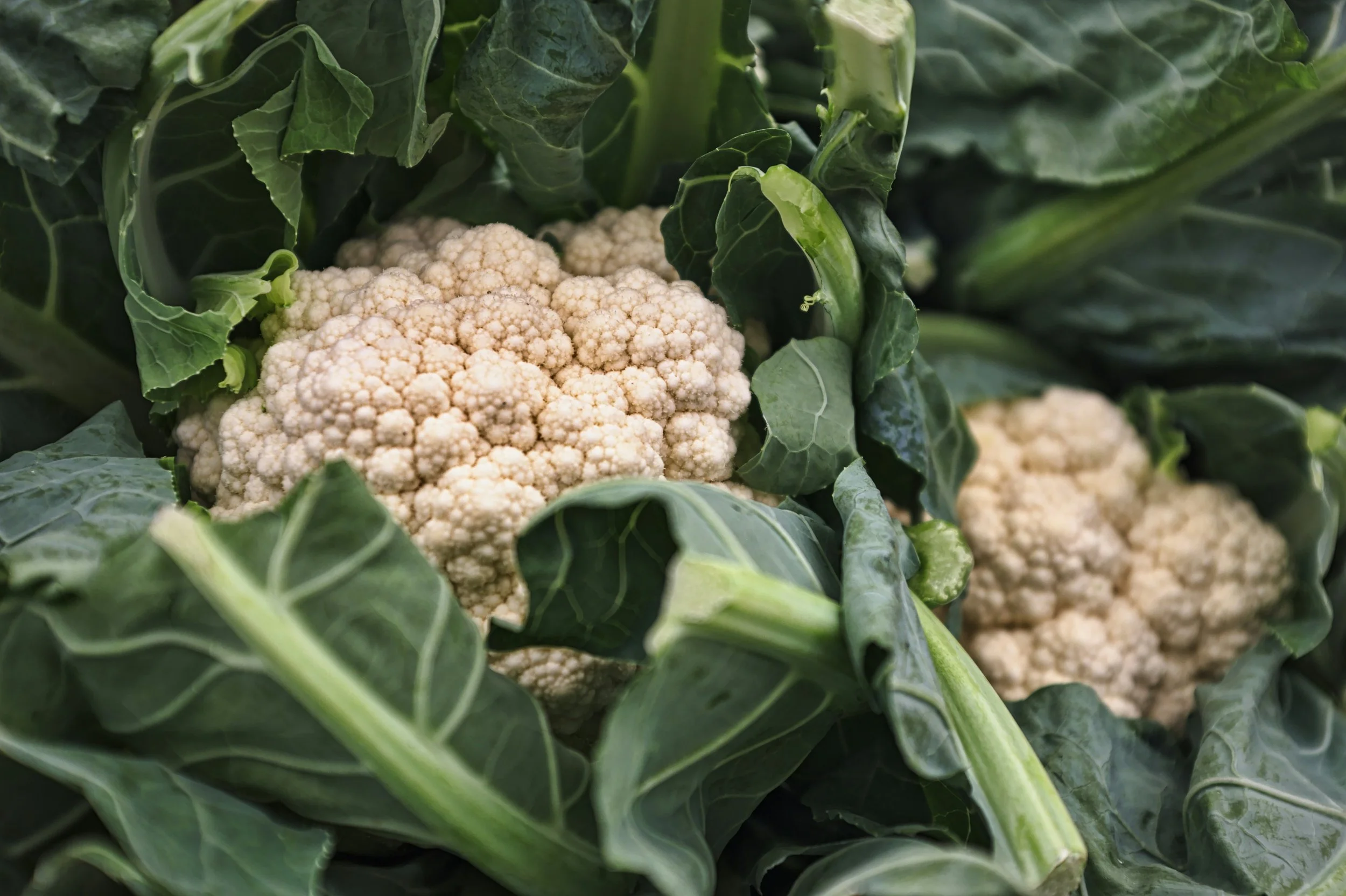
Eat more sulphur-rich foods. Sulphur is essential for glutathione production, your body's master antioxidant and detoxifier. Broccoli, cauliflower, kale, Brussels sprouts, garlic, onions and eggs all support Phase 2 detoxification directly.
Increase fibre, your detox exit route. You can process toxins well, but if you're not eliminating properly, they get reabsorbed. Fibre binds toxins, supports gut bacteria and promotes regular bowel movements. Aim for the UK's 30g daily target, with as much variety of plant foods as you can manage.
Support your gut, the overlooked detox organ. Your gut plays a large role in eliminating toxins, regulating oestrogen via the estrobolome, and reducing inflammation. If gut function is off, detox suffers. Our Gut Microbiome & Stool Testing can look at this in depth.
Stay hydrated. Water is essential for kidney detoxification, lymphatic flow and waste elimination. Aim for consistent hydration throughout the day rather than all at once.
Reduce incoming toxins before adding supplements. Reducing the load first matters more than most people realise: swap plastics for glass, avoid heating food in plastic, and choose fragrance-free products where you can.
Key Nutrients That Support Detox Pathways
This is general information on nutrients commonly involved in detox support, rather than a personalised protocol, the right combination depends on your individual health and circumstances.
Glutathione, the master antioxidant, is central to Phase 2 detox and liver function. N-Acetyl Cysteine (NAC) is a precursor to glutathione and supports liver detox and antioxidant capacity. B vitamins, especially B6, B12 and folate, are essential for methylation pathways and energy production. Magnesium supports enzyme activity, stress, sleep and detox pathways. Vitamin C provides antioxidant support and helps regenerate glutathione.
Why one-size detox plans don't work
Not everyone detoxes the same way. Some people have an overactive Phase 1 with a sluggish Phase 2, others have poor gut clearance or specific nutrient deficiencies, which is exactly why generic detox plans often fail.
Why testing changes everything
Instead of guessing, testing can assess inflammation markers, nutrient status, liver-related biomarkers and hormone balance. Browse FIT testing packages to explore your options.
At FIT, the approach isn't extreme cleanses, it's supporting natural detox pathways, balancing hormones, improving gut health and building a personalised nutrition strategy. Your body isn't 'toxic,' it just needs the right support.
FAQs
How do I know if my Phase 1 and Phase 2 detox pathways are out of balance? Symptoms like feeling notably worse after alcohol or processed food, chemical or fragrance sensitivity, and persistent brain fog or skin issues can be a clue, but the clearest way to know is through nutrient and biomarker testing rather than symptoms alone.
Do I need supplements to detox properly? Not necessarily. Diet, fibre, hydration and reducing incoming toxin load do most of the heavy lifting for most people. Supplements can help fill specific gaps, but they work best once the foundations are in place.
Is a juice cleanse or extreme detox a good idea? Generally no. Your liver and gut need adequate protein, fibre and nutrients to actually carry out Phase 1 and Phase 2 detoxification, extreme restriction can undermine the very process you're trying to support.
How is this different from a generic detox plan? Generic plans assume everyone's detox pathways work the same way. In reality, some people have a fast Phase 1 and slow Phase 2, others have gut or nutrient issues limiting clearance, which is why a personalised approach tends to work better than a one-size-fits-all protocol.
If anything in this article sounds familiar, your body may be trying to tell you something. The good news is, you don't have to figure it out alone.
Take the free Find Your FIT Quiz to discover which test or programme suits your symptoms, or book a free 15-minute Personalised FIT Health Review with Becki for a direct, no-obligation conversation about where to start.

About Becki Hawkins
Becki Hawkins, BSc (Hons), mBANT, CNHC, is the founder of FIT Nutrition & Testing Clinic and a Registered Nutritional Therapist with over 20 years of experience. She specialises in evidence-based personalised nutrition and functional testing, helping clients uncover the root causes of digestive issues, hormonal imbalances, and unexplained symptoms. Becki combines clinical expertise with culinary creativity, translating complex test results into practical, delicious nutrition plans that work in real life. Her approach is simple: test, don't guess. Because guessing doesn't heal. Knowing does.