
Do You Really Need Sports Drinks?
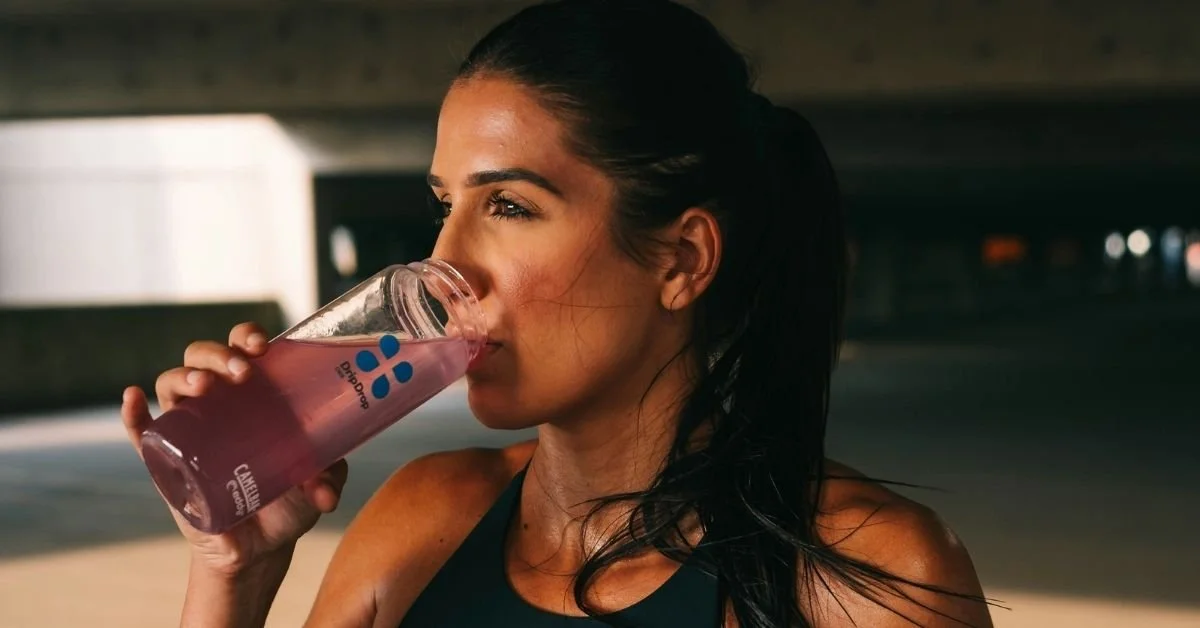
Truth About Electrolytes UK
Are sports drinks necessary, or are you just drinking sugar?
Sports drinks, electrolyte powders and hydration sachets are everywhere. But when it comes to hydration, performance and health, most people are getting it wrong.
Contents
Do you need sports drinks for exercise
What sports drinks actually do
What electrolytes you lose when you sweat
Isotonic vs hypotonic vs hypertonic, explained
When you actually need electrolytes
Best alternative to sports drinks
Signs of electrolyte imbalance
Why you might still feel dehydrated
FAQs
Do You Need Sports Drinks for Exercise?
Short answer: no, not for most people. For short workouts (under 60 minutes), low to moderate intensity exercise, and everyday movement, water is usually enough. Sports drinks were originally designed for endurance athletes, long-duration exercise (90 minutes plus) and high sweat-loss environments.
What sports drinks actually do
They're formulated to replace fluids, replace electrolytes (mainly sodium), and provide quick carbohydrates for energy. The issue is that most people using them don't actually need the sugar or additives that come along with that.
What electrolytes you lose when you sweat
Sweat contains sodium (the primary electrolyte lost), potassium, and small amounts of magnesium. Sodium is the key electrolyte to think about, not sugar.
Isotonic vs hypotonic vs hypertonic, explained
Hypotonic drinks (best for hydration). Lower concentration than body fluids, fast absorption, best for rehydration. Ideal for daily hydration and light exercise. Examples: water, light electrolyte drinks.
Isotonic drinks (hydration plus energy). Similar concentration to body fluids, rehydrates and provides energy. Ideal for moderate to long workouts. Example: a DIY electrolyte drink (see below).
Hypertonic drinks (high sugar, slower absorption). Higher concentration than body fluids, slower absorption, high carbohydrate content. Best for endurance recovery. Example: most commercial sports drinks.
When you actually need electrolytes
You may benefit from electrolyte support if you're training 90 minutes or more, exercising in heat, sweating heavily, or experiencing fatigue, dizziness or muscle cramps during or after exercise.
Best Alternative to Sports Drinks
Instead of an ultra-processed sports drink, a simple DIY electrolyte drink works well for most people: 50% fruit juice, 50% water, and a pinch of Baja Gold, Celtic sea salt or Himalayan salt. The fruit juice provides natural carbohydrates and potassium, the water provides hydration, and the salt replaces sodium, without artificial sweeteners, additives or excess sugar.
If you'd prefer a ready-made option, Ancient & Brave True Hydration is a clean-ingredient choice worth considering.
Are mineral salts better than table salt? Salts like Baja Gold, Celtic sea salt and Himalayan pink salt contain trace minerals and are less processed, but they won't significantly impact electrolyte balance or blood pressure on their own, they're a quality upgrade rather than a functional one.
Signs of electrolyte imbalance
Headaches, muscle cramps, fatigue, brain fog and dizziness can all be signs. If these are ongoing rather than tied to a specific bout of exercise, hydration alone may not be the issue.
Why you might still feel dehydrated
Persistent symptoms can be linked to blood sugar imbalance, chronic stress and elevated cortisol, thyroid dysfunction, or nutrient deficiencies, not just fluid intake.
Too much sodium without potassium balance can also contribute to high blood pressure. For more on that link, see The Simple Salt Swap That Can Help Lower Blood Pressure Naturally.
Testing for electrolyte imbalance and fatigue
Instead of guessing, the underlying cause can be assessed directly. At FIT, this can include nutrient status, blood sugar regulation, thyroid health, inflammation markers and other underlying drivers of fatigue. Explore functional health testing to see what fits.
FAQs
Do I need an electrolyte drink for a 30-minute gym session? Usually not. Water is sufficient for most everyday workouts under an hour. Electrolyte drinks become more useful for longer, more intense or hotter sessions.
Are 'clean' electrolyte drinks worth the extra cost over standard sports drinks? It depends what you're optimising for. Standard sports drinks are formulated for endurance performance and contain more sugar than most people training casually actually need. A cleaner option or a simple DIY version avoids the unnecessary sugar and additives for shorter, lower-intensity sessions.
Can drinking too much plain water without electrolytes be a problem? For most gym-goers and everyday exercisers, no. It becomes more relevant during prolonged, heavy-sweat endurance events, where diluting sodium too much without replacement can be genuinely risky, this is a different scenario to a typical workout.
Why do I feel dehydrated even when I'm drinking plenty of water? Persistent dehydration-like symptoms despite good water intake can point to something other than fluid intake itself, such as blood sugar imbalance, thyroid function or nutrient deficiencies, worth investigating rather than just drinking more water.
If anything in this article sounds familiar, your body may be trying to tell you something. The good news is, you don't have to figure it out alone.
Take the free Find Your FIT Quiz to discover which test or programme suits your symptoms, or book a free 15-minute Personalised FIT Health Review with Becki for a direct, no-obligation conversation about where to start.

About Becki Hawkins
Becki Hawkins, BSc (Hons), mBANT, CNHC, is the founder of FIT Nutrition & Testing Clinic and a Registered Nutritional Therapist with over 20 years of experience. She specialises in evidence-based personalised nutrition and functional testing, helping clients uncover the root causes of digestive issues, hormonal imbalances, and unexplained symptoms. Becki combines clinical expertise with culinary creativity, translating complex test results into practical, delicious nutrition plans that work in real life. Her approach is simple: test, don't guess. Because guessing doesn't heal. Knowing does.