
Hormone Disruptors in Everyday Products
The hidden exposures that may be affecting your oestrogen, testosterone and your body's ability to detox properly
You're eating well, training, trying to look after yourself, but something still feels off: low energy, bloating, PMS, brain fog, poor sleep. Here's the part most people overlook: it's not just what you eat, it's what you're exposed to every day.
Contents
What are hormone disruptors
How these chemicals affect oestrogen and testosterone
Your liver: the missing piece in hormone balance
The biggest sources of hormone disruptors in your home
Signs your hormones may be out of balance
Understanding your hormones properly
Simple, high-impact ways to reduce exposure
FAQs
What Are Hormone Disruptors?
Hormone disruptors, or endocrine disrupting chemicals (EDCs), are substances that interfere with the body's hormone system. They can mimic hormones such as oestrogen, block hormone receptors, and disrupt hormone production, signalling and detoxification, sometimes even at very low levels of exposure.
How these chemicals affect oestrogen and testosterone
Common chemicals found in everyday products, including BPA, phthalates and parabens, can act as xenoestrogens, meaning they mimic oestrogen in the body. This has been linked in research to PMS, heavy or painful periods, hormonal weight gain and mood swings. Some of these compounds are also linked to lower testosterone levels, which matters for energy, muscle tone, libido and motivation, in both women and men.
Your liver: the missing piece in hormone balance
Hormones don't just need to be produced, they need to be processed and cleared efficiently. The liver plays a key role in breaking down excess oestrogen, detoxifying environmental chemicals, and supporting metabolic balance. When toxic load is high, the liver has more work to do, which can contribute to oestrogen dominance, fatigue, sluggish metabolism and inflammation.
If this sounds familiar, it may be worth exploring deeper health markers with targeted testing.
The Biggest Sources of Hormone Disruptors in Your Home
These exposures are often daily, repeated and completely normalised:
Plastics and food storage. Water bottles, Tupperware, cling film, takeaway containers. Heat plus plastic increases chemical leaching into food and drink.
Non-stick cookware (PFAS). So-called 'forever chemicals' that accumulate in the body and can interfere with hormone signalling.
Fragrances and scented products. Candles, air fresheners and perfumes. 'Fragrance' on an ingredients list can legally contain multiple undisclosed chemicals.
Cleaning products. Sprays, wipes and laundry detergents often contain compounds that can impact hormone pathways.
Personal care products. Skincare, deodorants and haircare, common culprits include parabens, phthalates and synthetic fragrance.
Takeaway packaging and coffee cups. Plastic linings and heated food containers are a hidden but consistent source of exposure.
Signs Your Hormones May Be Out of Balance
Persistent bloating, fatigue or energy crashes, PMS or irregular cycles, skin flare-ups, brain fog, and poor sleep are all worth paying attention to, particularly if several show up together.
Understanding your hormones properly
If you suspect hormone imbalance, targeted testing can offer real clarity rather than guesswork. Hormone-focused assessments look at oestrogen balance, progesterone, cortisol (stress response) and key metabolic markers. Our Hormonal Assessment and Female Wellness 360 both cover this.
Many symptoms that feel 'hormonal' are actually linked to thyroid function, low energy, weight changes, brain fog and mood shifts can all be connected, so it's worth ruling this in or out too.
Hormone balance also isn't just about hormones, it's about how your body processes and eliminates them, and your gut microbiome plays a key role in oestrogen recycling, inflammation and nutrient absorption. Our Gut Microbiome Assessment looks at this directly. Chronic low-grade inflammation, often driven by food intolerances, can also worsen hormone imbalance, which is where our Advanced Food Intolerance Assessment can help.
Simple, high-impact ways to reduce exposure
You don't need to overhaul your life, just make smarter swaps:
In the kitchen. Switch plastic for glass or stainless steel, and avoid heating food in plastic.
Water and drinks. Use filtered water, and avoid leaving plastic bottles in warm environments.
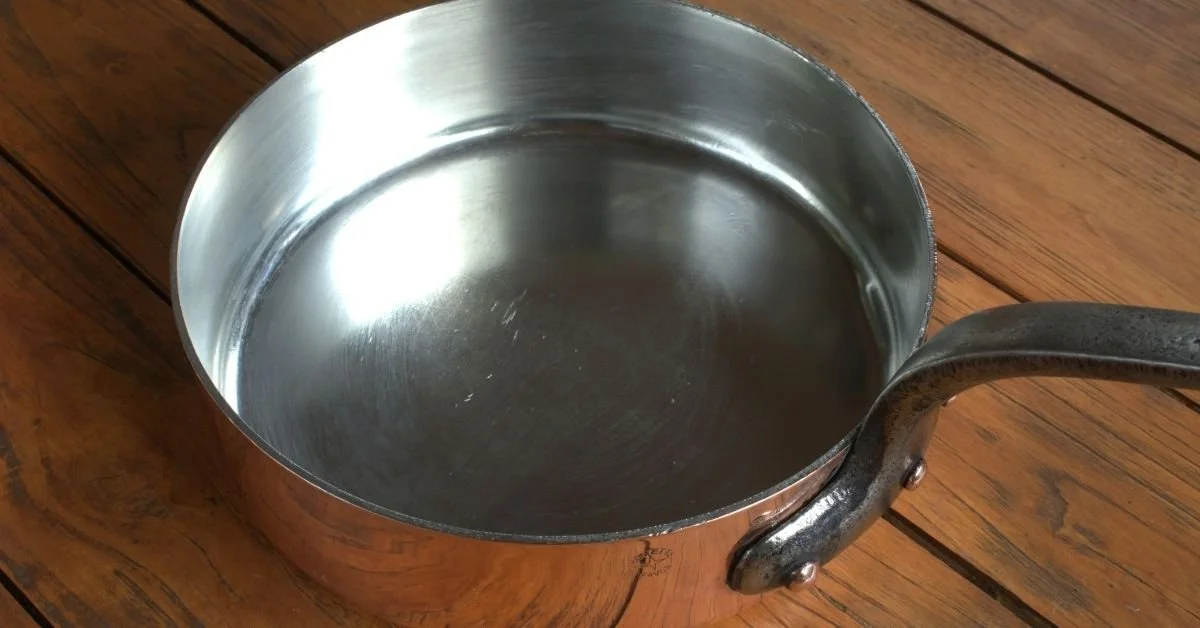
Cooking. Replace scratched non-stick pans with stainless steel, ceramic or cast iron.
Food storage. Swap cling film for beeswax wraps, and use glass containers where you can.
Home environment. Choose fragrance-free products where possible, and ventilate your home daily.
Personal care. Opt for simple, transparent ingredient lists, and avoid synthetic fragrance where you can.
This isn't about fear or perfection, it's about reducing your overall exposure load so your body can function properly. You can eat well and still feel off if your hormones, gut or underlying biology aren't aligned too.
FAQs
Can I fully avoid hormone disruptors? Not completely, they're genuinely everywhere in modern life. The goal is reducing overall exposure load through a handful of consistent swaps, not eliminating every possible source.
Which hormone disruptors should I prioritise removing first? Heated plastic (food storage and drinks) and scratched non-stick cookware are usually the highest-impact, easiest changes, since heat significantly increases chemical leaching.
Do 'natural' or 'clean' labelled personal care products guarantee lower exposure? Not automatically, labelling isn't tightly regulated. Checking the actual ingredients list for parabens, phthalates and synthetic fragrance is more reliable than the marketing label alone.
How would I know if hormone disruptors are actually affecting me, rather than something else? Symptoms like fatigue, PMS, brain fog and bloating have many possible causes, so hormone disruptors are rarely something to diagnose from symptoms alone. Targeted hormone and gut testing can help build a clearer, more personalised picture.
Ready to Get Answers?
If you’re:
Tired of guessing
Trying everything with little progress
Still not feeling like yourself
It’s time to look deeper.
At FIT Nutrition, every test includes:
Expert interpretation
Personalised nutrition plan
1:1 consultation
If anything in this article sounds familiar, your body may be trying to tell you something. The good news is, you don't have to figure it out alone.
Take the free Find Your FIT Quiz to discover which test or programme suits your symptoms, or book a free 15-minute Personalised FIT Health Review with Becki for a direct, no-obligation conversation about where to start.

About Becki Hawkins
Becki Hawkins, BSc (Hons), mBANT, CNHC, is the founder of FIT Nutrition & Testing Clinic and a Registered Nutritional Therapist with over 20 years of experience. She specialises in evidence-based personalised nutrition and functional testing, helping clients uncover the root causes of digestive issues, hormonal imbalances, and unexplained symptoms. Becki combines clinical expertise with culinary creativity, translating complex test results into practical, delicious nutrition plans that work in real life. Her approach is simple: test, don't guess. Because guessing doesn't heal. Knowing does.