
Top 5 Gut-Loving Supplements for Digestive Balance

Top 5 Gut-Loving Supplements for Digestive Balance
Practitioner-recommended BioCare supplements to support digestion and everyday gut comfort
If you've been dealing with bloating, sluggish digestion or a gut that just doesn't feel settled, you've probably already tried cutting things out of your diet. Sometimes that helps. Often it isn't the whole picture, and the right supplements, used well, can give your gut some extra support while you work out what's really going on.
These five BioCare products come up again and again in practitioner-led gut programmes. Here's what each one does, and who it tends to suit.
Contents
Supporting your gut doesn't have to cost more
BioCare GI Complex
BioCare BioAcidophilus
BioCare Spectrumzyme
BioCare Prebio NutriPowder
BioCare Slippery Elm Intensive
FAQs
BioCare GI Complex
Foundational gut support
A combination formula bringing together L-glutamine, nucleotides, live bacteria, vitamin A, vitamin C and zinc. Vitamin A, vitamin C and zinc each contribute to the normal function of the immune system, and L-glutamine and nucleotides are commonly included in practitioner-led gut protocols as foundational building blocks for gut function.
Often a good starting point for clients who notice discomfort after certain foods or who have a generally sensitive gut.

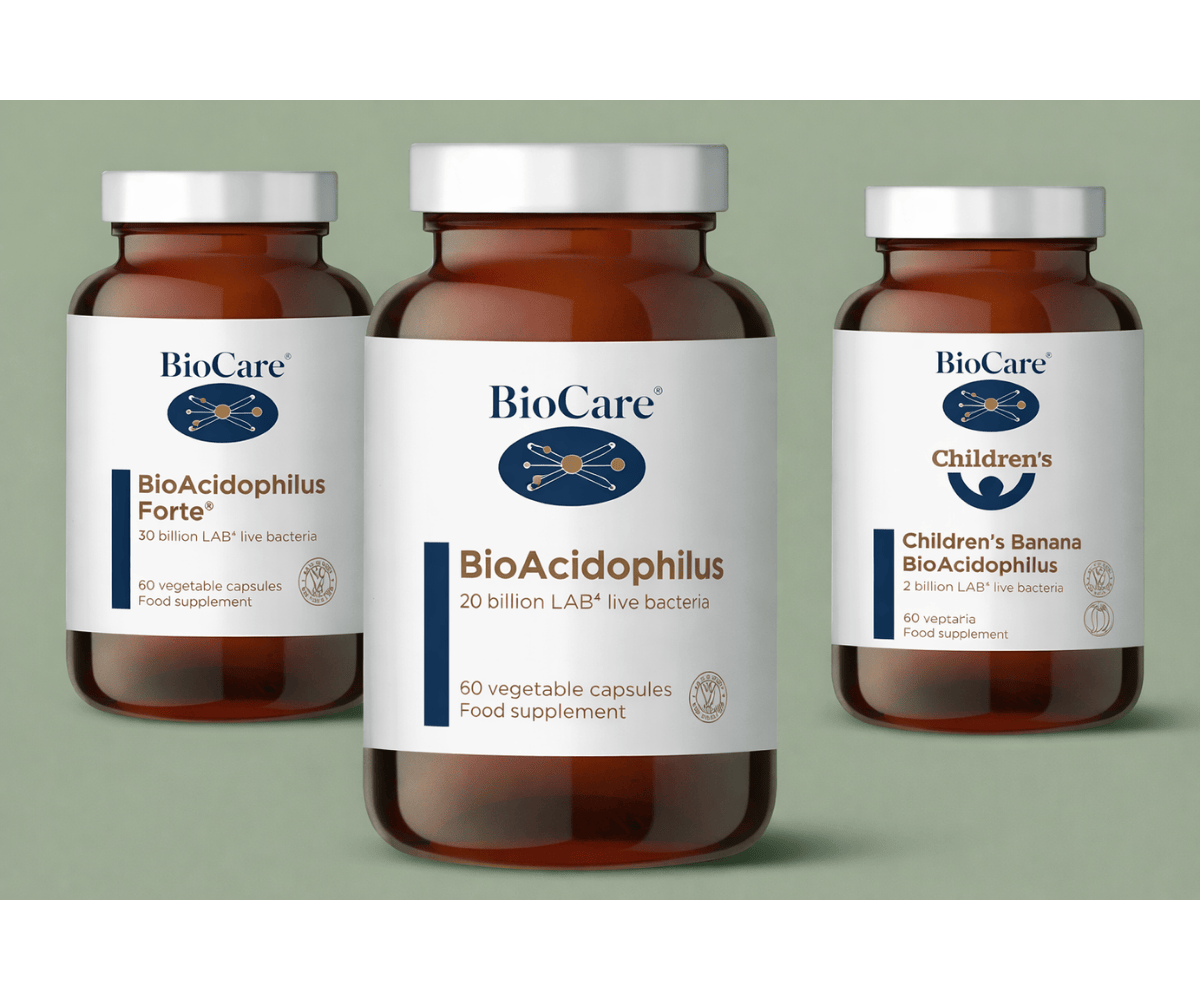
2. BioCare BioAcidophilus
Daily live bacteria for everyday gut maintenance
A high-potency formula delivering bile- and acid-resistant LAB4 live bacteria, including Lactobacillus and Bifidobacterium strains, alongside FOS prebiotic fibre to help feed those bacteria once they arrive.
Well suited to daily use, particularly after a course of antibiotics, travel, or a stretch of high stress, any of which can disrupt the balance of gut bacteria.
3. BioCare Spectrumzyme
Broad-spectrum digestive enzyme support
A plant-derived enzyme complex containing protease, amylase, lipase, lactase and bromelain, covering the breakdown of proteins, carbohydrates, fats and lactose respectively.
Particularly relevant if bloating or heaviness after meals is a regular pattern, or where digestive enzyme output may be reduced. For more on when enzyme support helps and what to try first, see our guide to digestive enzymes explained.

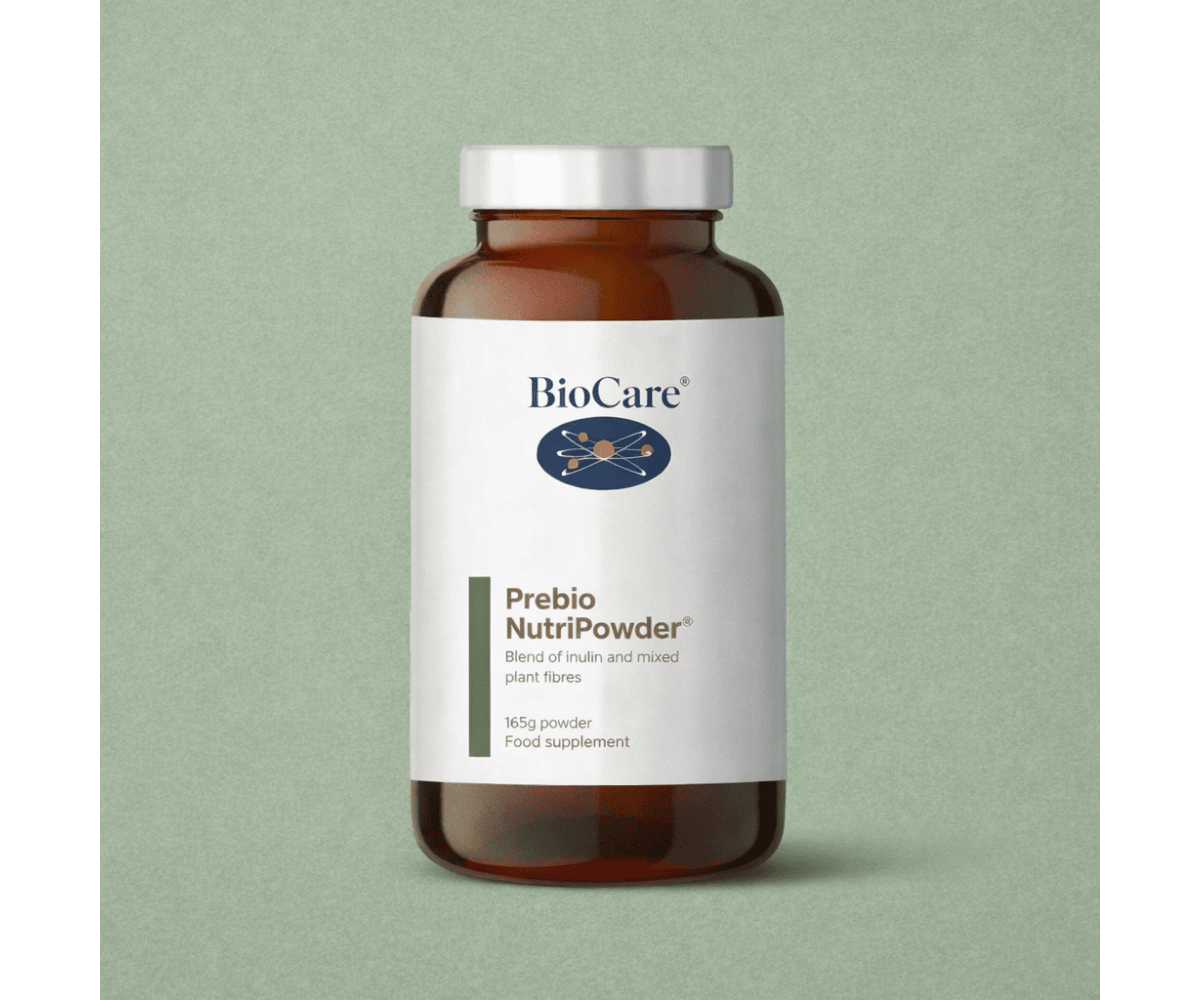
4. BioCare Prebio NutriPowder 165g
Multi-fibre prebiotic blend
A powder combining inulin, GOS, arabinogalactans, resistant starch, pectin, acacia gum and marshmallow, designed to add a wider variety of fibre types to the diet than most people get from food alone. Different fibres feed different strains of gut bacteria, so variety matters here.
Simple to stir into water or a smoothie, and a useful addition alongside a probiotic such as BioAcidophilus above.
5. BioCare Slippery Elm Intensive
Soothing botanical blend
Slippery elm inner bark and marshmallow are both traditionally used mucilaginous herbs, meaning they form a soothing, gel-like layer when mixed with water. This formula combines them with deglycyrrhizinated (DGL) liquorice, gamma oryzanol and sunflower lecithin, along with zinc, which contributes to normal immune function.
Often used by practitioners for clients whose digestion feels irritated or sensitive after meals, usually alongside probiotics, prebiotic fibre and enzyme support rather than on its own.

FIT Founder Note
These supplements tend to work best as part of a wider plan, alongside personalised nutrition and, where symptoms persist, functional testing to understand what's actually driving them. If you've tried supporting your gut this way and things still aren't settling, our Gut Microbiome Assessment can help identify what's really going on.

Don’t forget to pin it
FAQs
Can I take all five of these at once? Not necessarily, and not all at once starting from day one. Most practitioner-led plans introduce these gradually and match them to what someone's actually experiencing, rather than starting everyone on everything. If you're unsure where to start, a consultation is the quickest way to get a plan suited to you rather than guessing.
How long before I notice a difference? This varies a lot between individuals and depends on what's driving the symptoms in the first place. Some people notice a difference within a couple of weeks; for others, especially where there's an underlying gut imbalance, it takes longer and benefits from being paired with testing.
Are these supplements safe to take alongside medication? Speak to your GP or pharmacist before starting any new supplement if you're on regular medication, particularly antibiotics, immunosuppressants or medication affecting stomach acid, since interactions are possible.
Do I need a consultation to use these, or can I just buy them? You're welcome to purchase directly. That said, matching the right combination and dose to your specific symptoms is where a lot of the value sits, which is why these are usually recommended as part of a personalised plan rather than a one-size-fits-all stack.
Ready to understand what your body's been trying to tell you? Take the quiz or book your FREE health review.

About Becki Hawkins
Becki Hawkins, BSc (Hons), mBANT, CNHC, is the founder of FIT Nutrition & Testing Clinic and a Registered Nutritional Therapist with over 20 years of experience. She specialises in evidence-based personalised nutrition and functional testing, helping clients uncover the root causes of digestive issues, hormonal imbalances, and unexplained symptoms. Becki combines clinical expertise with culinary creativity, translating complex test results into practical, delicious nutrition plans that work in real life. Her approach is simple: test, don't guess. Because guessing doesn't heal. Knowing does.