
Low Testosterone in Women:
Could This Be Why You've Lost Your Spark?

Persistent fatigue, brain fog, low libido and a lack of motivation, understanding the hormone that's often overlooked
If that sounds familiar, you're certainly not alone.
Many women assume these changes are simply part of getting older, stress, or 'just menopause.' While these can all play a role, there's another hormone that's often overlooked and rarely discussed: testosterone.
Although it's often labelled the 'male hormone,' testosterone is incredibly important for women's health too. It influences everything from energy levels and muscle strength to confidence, cognitive function and sexual wellbeing.
As women move through their late 30s, 40s and into menopause, testosterone levels naturally decline. For some women, this gradual reduction can contribute to symptoms that significantly affect quality of life. Yet because the conversation around women's hormones tends to focus on oestrogen and progesterone, testosterone is frequently forgotten.
At FIT Nutrition & Testing Clinic, one of the most common things Becki hears is: "I just don't feel like myself anymore." While there's rarely one single explanation, testosterone is often an important piece of the puzzle that hasn't yet been investigated.
Contents
What is testosterone
What does testosterone do in women
Symptoms of low testosterone in women
Testosterone and perimenopause
Free testosterone vs total testosterone, why it matters
Why 'normal' blood tests don't always mean everything is normal
Can low testosterone cause fatigue
Can testosterone replacement help women
How is testosterone prescribed
Is testosterone right for everyone
When should you consider hormone testing
Which test is right for you
FAQs
What is testosterone
Testosterone is an androgen hormone naturally produced by both men and women. In women, it's produced primarily by the ovaries, the adrenal glands, and through the conversion of precursor hormones such as DHEA.
Women produce around one-tenth of the testosterone that men do, but the amount they produce is essential for normal health. Rather than working in isolation, testosterone works alongside oestrogen and progesterone, helping regulate numerous systems throughout the body.
What does testosterone do in women
Healthy testosterone levels help support libido and sexual desire, energy production, motivation and drive, positive mood, confidence and emotional resilience, lean muscle mass and strength, exercise performance and recovery, bone density, and brain function including memory, mental clarity and concentration.
Many women describe healthy testosterone levels as helping them feel energetic, motivated, confident and resilient.
Symptoms of low testosterone in women
Low testosterone affects every woman differently, but common symptoms include low libido and reduced sexual satisfaction, persistent fatigue, brain fog, poor concentration and memory problems, reduced motivation and loss of confidence, feeling emotionally flat or lower in mood, increased anxiety, difficulty building or maintaining muscle, reduced exercise performance and slower recovery, reduced resilience to stress, and a general feeling of having 'lost your spark.'
Because these symptoms overlap with thyroid dysfunction, iron deficiency, chronic stress and perimenopause, testosterone deficiency can easily be overlooked.
Testosterone and perimenopause
One of the biggest misconceptions is that testosterone only becomes important after menopause. In reality, testosterone often begins declining during perimenopause, sometimes years before periods stop altogether.
As ovarian function becomes less predictable, production of all three major sex hormones, oestrogen, progesterone and testosterone, fluctuates. For many women, changes in free testosterone may be one of the earliest measurable hormonal shifts during the perimenopausal transition, sometimes occurring before significant changes in total testosterone are seen.
This may help explain why some women develop symptoms despite being told that their hormone levels are 'normal.' The hormonal transition through perimenopause is highly individual, which is why assessing symptoms alongside appropriate testing often provides far more useful information than relying on age or menstrual cycles alone.
Free testosterone vs total testosterone, why it matters
This is one of the most overlooked aspects of female hormone health. When testosterone is measured, there are actually different forms circulating in the bloodstream. Most testosterone is attached to proteins, primarily Sex Hormone Binding Globulin (SHBG) and albumin. Only around 1 to 3% circulates as free testosterone, the biologically active form that's immediately available for your body's tissues to use.
Free testosterone may decline before total testosterone, particularly during early perimenopause. This means you may experience symptoms such as low libido, fatigue, reduced motivation, brain fog and poor recovery, even when your total testosterone still falls within the laboratory reference range.
To add another layer of complexity, the NHS does not routinely assess free testosterone in women experiencing perimenopausal symptoms, unless there's concern about testosterone excess (for example, suspected polycystic ovary syndrome). Investigations often focus on total testosterone alone, or may not include testosterone testing at all. That doesn't mean NHS testing is wrong, it reflects current clinical pathways, but it does mean some women may benefit from a more comprehensive assessment when symptoms persist. This aligns with British Menopause Society guidance, which notes that free testosterone measurement is considered the gold standard for assessing androgen status in women, even though it isn't always readily available in routine practice.
Why 'normal' blood tests don't always mean everything is normal
One of the most common things women tell Becki is: "My GP said my blood tests were normal." That can be incredibly frustrating when you still don't feel like yourself.
Laboratory reference ranges are designed to identify disease, not necessarily optimal wellbeing. A hormone level can sit comfortably within the laboratory reference range while still being lower than is ideal for you, particularly when viewed alongside symptoms.
Hormones also never work in isolation. Fatigue, brain fog or low libido may result from several interacting factors, including low testosterone, low oestradiol, low progesterone, low DHEA, thyroid dysfunction, iron deficiency, vitamin B12 or vitamin D deficiency, blood sugar imbalance, chronic stress, poor sleep, or gut health issues. That's why interpreting numbers without considering the person sitting in front of you rarely tells the whole story.
Can low testosterone cause fatigue
Yes, it certainly can contribute. Testosterone helps support cellular energy production, muscle function, physical performance, motivation and recovery. When levels decline, many women notice they're no longer able to train as hard, recover as quickly, or sustain energy throughout the day.
However, fatigue should never automatically be blamed on hormones. Other common causes include thyroid disorders, iron deficiency, nutrient deficiencies, sleep problems, blood sugar dysregulation, chronic stress and gut dysfunction. This is exactly why we believe in testing rather than guessing.
Can testosterone replacement help women
NICE guidance (NG23) and the British Menopause Society support considering testosterone supplementation for menopausal women with low sexual desire where HRT alone hasn't been effective, particularly for those experiencing Hypoactive Sexual Desire Disorder (HSDD). Many women also report improvements in energy, motivation, confidence, mental clarity and exercise recovery.
Testosterone is not a miracle cure. The best results usually occur when hormone therapy forms part of a wider health strategy including nutrition, adequate protein intake, resistance training, sleep optimisation, blood sugar balance, stress management, gut health and correction of nutrient deficiencies. Lifestyle remains the
foundation.
How is testosterone prescribed
In the UK, testosterone is most commonly prescribed as a daily cream or gel that's absorbed through the skin. There is currently no testosterone product licensed specifically for women in the UK; historically, many women were prescribed very small doses of products originally licensed for men. More recently, female-specific products such as AndroFeme® have improved access to appropriately dosed testosterone therapy for women.
Treatment should always be prescribed and monitored by an appropriately qualified healthcare professional.
Is testosterone right for everyone
No. Low libido, fatigue and brain fog are symptoms, not diagnoses. They can result from many different underlying causes, including thyroid dysfunction, iron deficiency, blood sugar imbalance, poor sleep, chronic stress, nutrient deficiencies, gut health problems, perimenopause or menopause. This is why we always recommend understanding the root causes before deciding on the right treatment.
When should you consider hormone testing
You may benefit from a comprehensive hormone assessment if you're experiencing persistent fatigue, brain fog, low libido, mood changes, loss of motivation, poor concentration, reduced exercise recovery, irregular menstrual cycles, perimenopause or menopause symptoms, or simply feeling like you aren't yourself anymore.
The earlier hormonal changes are recognised, the sooner you can begin making informed, evidence-based decisions about your health.
Not sure if hormones could be affecting you? The FREE FIT Hormone Health Quiz is the perfect place to start. In just a few minutes you'll receive a personalised overview of your symptoms, together with guidance on whether further testing or nutritional support may be beneficial.
Which test is right for you
FIT Female Hormone Balance Test. Perfect if you're experiencing fatigue, brain fog, low libido, mood changes, irregular periods, PMS or perimenopause symptoms. This test provides detailed insights into your key female hormones, helping identify potential imbalances that may be contributing to your symptoms. Learn more about the FIT Female Hormone Balance Test.
Female Wellness 360. If you're looking for the most comprehensive picture of your health, this assessment goes beyond hormones alone. It includes over 60 health markers, covering female hormones, thyroid health, adrenal function, nutritional status, inflammation, metabolic health, cardiovascular risk, vitamin D, iron, liver and kidney health. It's ideal for women who want to understand the bigger picture and identify multiple contributors to their symptoms, not just hormone levels alone. Discover Female Wellness 360.
If blood sugar patterns feel like part of your picture too, the FIT Glucose Balance Programme or a General Nutrition Consultation are both worth exploring alongside hormone testing.
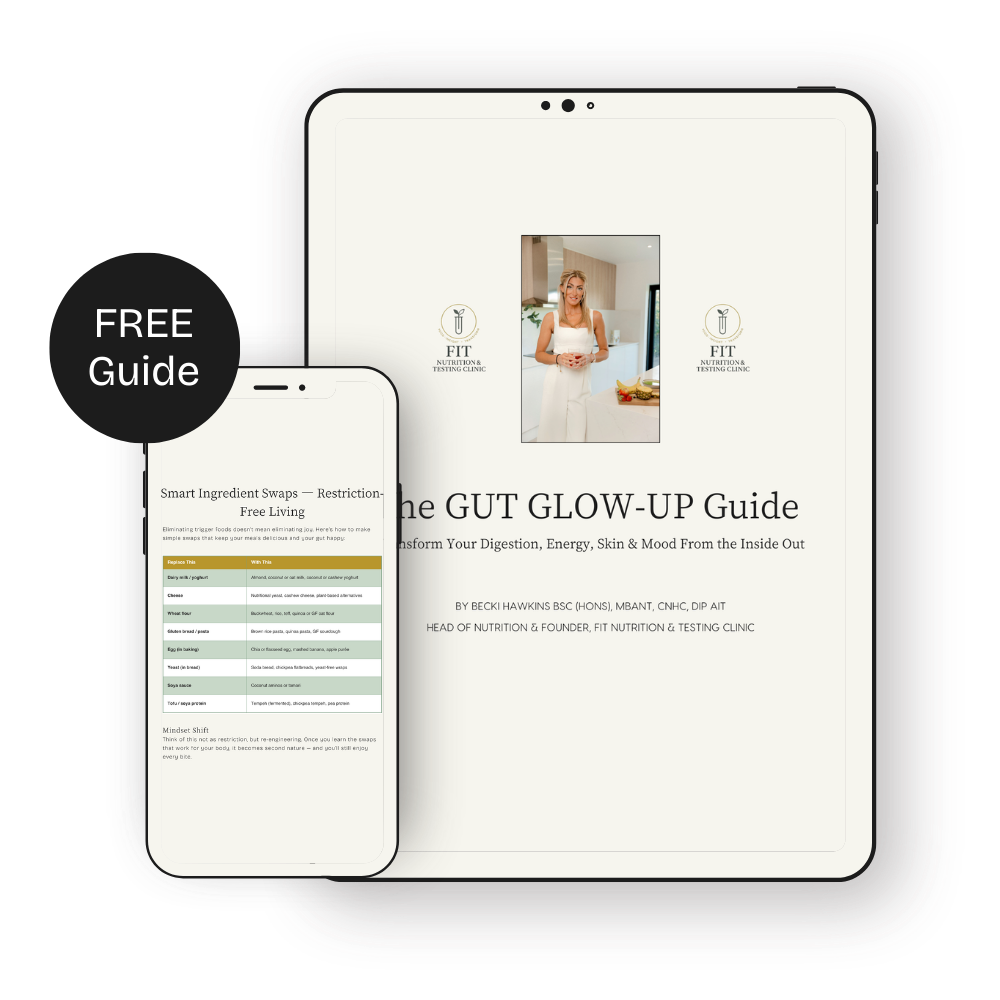
Frequently Asked Questions
Is testosterone only important for men? No. Women naturally produce testosterone throughout life, and it plays a vital role in libido, mood, muscle strength, bone health, cognitive function and energy.
Can low testosterone cause anxiety? It may contribute to anxiety or emotional changes in some women, although anxiety is complex and often has multiple underlying causes.
Can testosterone improve brain fog? Some women report improvements in concentration and mental clarity with appropriately prescribed testosterone where low testosterone is contributing to symptoms.
Can I increase testosterone naturally? A balanced diet, adequate protein, resistance training, quality sleep, stress management and maintaining a healthy body weight all help support healthy hormone production. However, lifestyle measures won't replace testosterone where genuine deficiency exists.
Should I buy testosterone supplements online? No. Testosterone replacement should only be prescribed and monitored by an appropriately qualified healthcare professional. Most over-the-counter 'testosterone boosters' marketed to women have very limited evidence behind them.
The bottom line
Testosterone isn't just important for men. It's an essential hormone for women too, influencing energy, motivation, libido, muscle strength, cognitive function and overall quality of life.
For many women, particularly during perimenopause and menopause, declining testosterone may contribute to symptoms that significantly affect everyday life. The key isn't assuming testosterone is the answer. The key is finding out whether it's part of your answer.
At FIT Nutrition & Testing Clinic, we combine comprehensive hormone testing with an in-depth consultation to understand the full picture, because symptoms rarely have a single cause. They deserve a personalised, evidence-based approach.
If you're struggling with fatigue, brain fog, low libido, mood changes or unexplained hormonal symptoms, we'd love to help. Whether you begin with our Free Hormone Health Quiz, our FIT Female Hormone Balance Test, or our comprehensive Female Wellness 360, we'll help you understand what's happening beneath the surface and create a personalised plan to help you feel like yourself again.
Testosterone therapy should only be prescribed after an appropriate clinical assessment and is not suitable for everyone. This article is for educational purposes and doesn't replace individual medical advice.
Don’t forget to pin it.
If anything in this article sounds familiar, your body may be trying to tell you something. The good news is, you don't have to figure it out alone.
Take the free Find Your FIT Quiz to discover which test or programme suits your symptoms, or book a free 15-minute Personalised FIT Health Review with Becki for a direct, no-obligation conversation about where to start.

About Becki Hawkins
Becki Hawkins, BSc (Hons), mBANT, CNHC, is the founder of FIT Nutrition & Testing Clinic and a Registered Nutritional Therapist with over 20 years of experience. She specialises in evidence-based personalised nutrition and functional testing, helping clients uncover the root causes of digestive issues, hormonal imbalances, and unexplained symptoms. Becki combines clinical expertise with culinary creativity, translating complex test results into practical, delicious nutrition plans that work in real life. Her approach is simple: test, don't guess. Because guessing doesn't heal. Knowing does.