
Can You Eat Pizza If You Have IBS?
Why the answer is usually 'yes, with a few tweaks' rather than 'no'
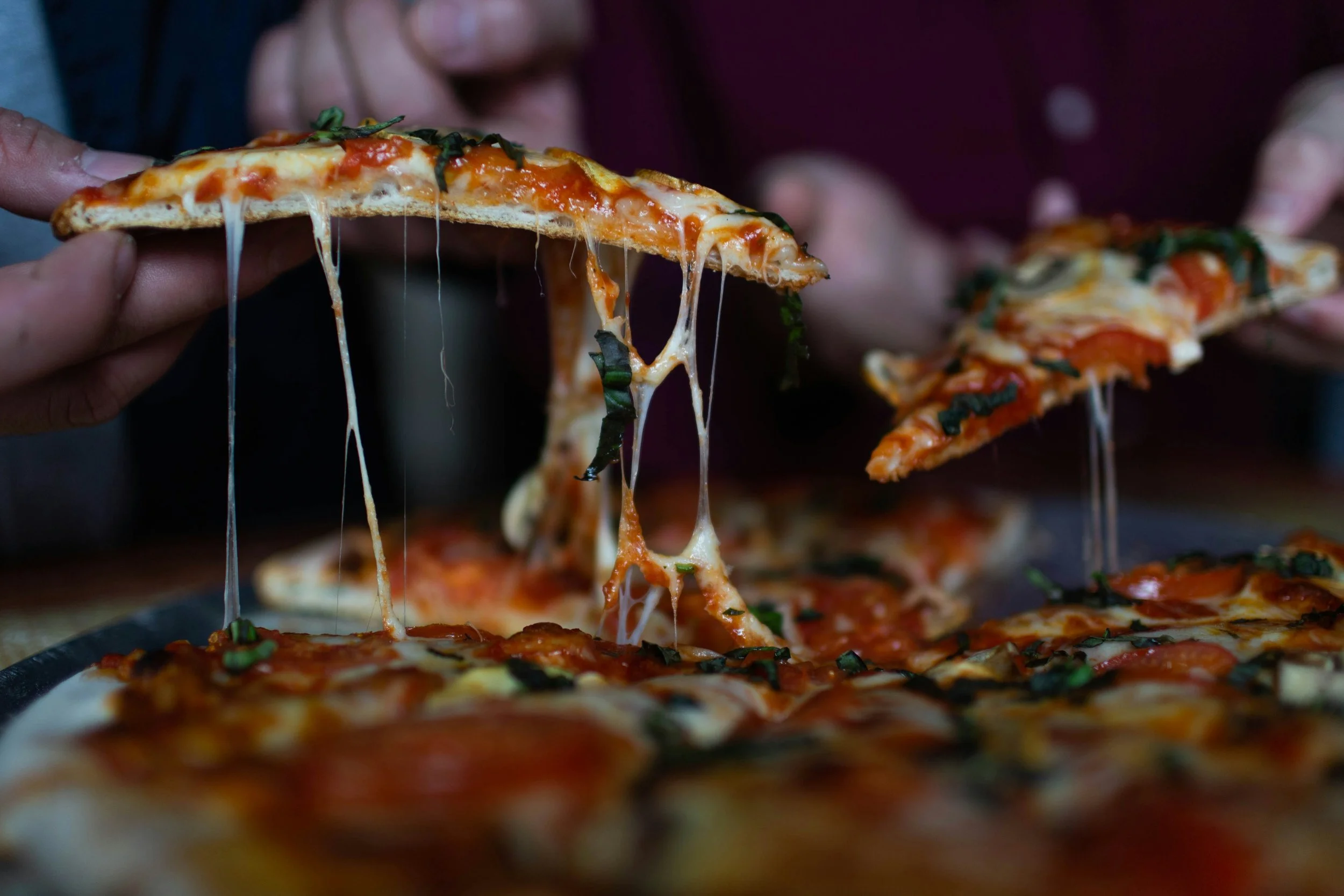
For many clients with IBS, one food comes up again and again in consultations: pizza. It's often blamed for bloating, cramps, reflux, diarrhoea or that heavy 'food hangover' feeling.
So, is pizza bad for IBS? Not necessarily. In most cases, it isn't the pizza itself causing symptoms, it's specific ingredients within it. At FIT Nutrition & Testing Clinic, we don't remove foods you love, we identify triggers and redesign them intelligently.
Contents
Why pizza can trigger IBS symptoms
How to make pizza IBS-friendly
An IBS-friendly pizza alternative
Is it IBS, or something else
FAQs
Why Pizza Can Trigger IBS Symptoms
Traditional pizza often contains several common IBS triggers: refined wheat flour (high FODMAP in large amounts), gluten, yeast, cow's milk mozzarella (high lactose), large amounts of tomato, processed meats, and garlic and onion. For someone with IBS, these can contribute to bloating, excess gas, abdominal pain, loose stools or constipation, reflux and fatigue.
That doesn't mean pizza is permanently off limits. It means it needs adapting.
How to Make Pizza IBS-Friendly
If wheat or gluten triggers your IBS, try certified gluten-free pizza bases, corn tortilla bases, buckwheat bases, or vegetable bases such as courgette boats. Many clients notice improvement simply by reducing the wheat load.
If dairy causes bloating, cow's milk protein is a common trigger, not necessarily cheese in general. Options include buffalo mozzarella, feta or pecorino (sheep or goat based), cow's milk-free halloumi, or a clean plant-based cheese alternative.
If tomato or garlic is the issue, both can aggravate IBS in sensitive individuals. Try swapping the base for vegan pesto, olive tapenade, roasted red pepper purée, or garlic-infused oil (a FODMAP-friendly alternative), then load with IBS-friendly toppings like peppers, courgettes, spinach, olives, and chicken or anchovies.
Pizza is a template, not a rulebook.
An IBS-Friendly Pizza Alternative
One of my favourite swaps for clients is low allergen cheese, tomato and basil courgette pizza boats. They're naturally gluten-free, lower FODMAP when adapted, lower glycaemic, easier on digestion, and fully customisable, while still satisfying a pizza craving. Comfort food should feel comfortable.
You can find the full recipe in the FIT Recipe Hub, which includes fibre-rich, gut-friendly, IBS-adaptable meals designed to support digestive health without unnecessary restriction.
Is It IBS, Or Something Else?
If pizza consistently causes severe bloating, skin flare-ups, brain fog, migraines or extreme fatigue, it may not just be IBS. You could be dealing with a food intolerance, lactose intolerance, wheat sensitivity, gut dysbiosis or enzyme insufficiency. Guessing tends to lead to unnecessary restriction; testing gives you something to actually work from.
At FIT, food intolerance testing and gut microbiome analysis can help identify which of these is driving your symptoms, so you can keep the foods you love without the reaction.
FAQs: Pizza and IBS
Can you eat pizza with IBS? Yes, many people with IBS can eat pizza, but it often needs modification. Choosing gluten-free bases, lactose-free or alternative cheeses, and low-FODMAP toppings can make pizza IBS-friendly. The key is identifying your specific trigger, not eliminating pizza entirely.
Is pizza bad for IBS? Pizza isn't automatically bad for IBS. Certain ingredients such as wheat, lactose, garlic and onion can aggravate symptoms, and when adapted appropriately, pizza can fit within an IBS management plan.
What's the best pizza base for IBS? Options often include certified gluten-free bases, corn tortilla bases, buckwheat bases, or vegetable bases such as courgette boats. Portion size also matters, since large carbohydrate loads can trigger symptoms even when ingredients are tolerated.
Should I avoid pizza completely if I have IBS? Complete avoidance is rarely necessary. IBS management works best when personalised, and identifying your specific triggers allows you to modify, rather than fear, certain foods.
Still Unsure Why Pizza Triggers Your IBS?
If anything in this article sounds familiar, your body may be trying to tell you something. The good news is, you don't have to figure it out alone.
Take the free Find Your FIT Quiz to discover which test or programme suits your symptoms, or book a free 15-minute Personalised FIT Health Review with Becki for a direct, no-obligation conversation about where to start.

About Becki Hawkins
Becki Hawkins, BSc (Hons), mBANT, CNHC, is the founder of FIT Nutrition & Testing Clinic and a Registered Nutritional Therapist with over 20 years of experience. She specialises in evidence-based personalised nutrition and functional testing, helping clients uncover the root causes of digestive issues, hormonal imbalances, and unexplained symptoms. Becki combines clinical expertise with culinary creativity, translating complex test results into practical, delicious nutrition plans that work in real life. Her approach is simple: test, don't guess. Because guessing doesn't heal. Knowing does.