
Can I Eat Bread with Food Intolerances or Gut Issues?
A UK Nutritional Therapist’s Evidence-Based Guide
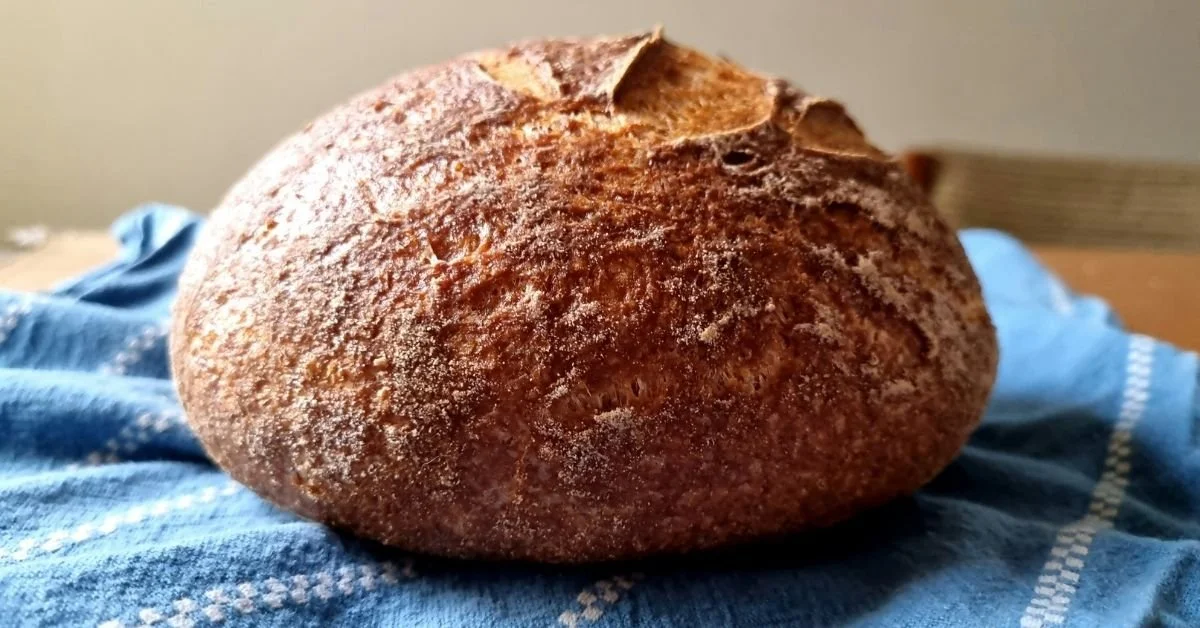
If you've ever typed into Google 'can I eat bread with IBS,' 'is sourdough better for gut health,' 'do I have to avoid gluten forever' or 'best bread for food intolerance UK,' you're not alone. As a UK-registered Nutritional Therapist and founder of FIT Nutrition & Testing Clinic, this is one of the most common questions clients ask: do I have to give up bread?
The answer is usually no, but the type of bread matters. Let's break down what's really going on.
Contents
Why bread triggers symptoms (it's not always gluten)
Best bread options for different food intolerances
Is sourdough better for IBS and gut health
Bread, blood sugar and inflammation
Can you eat bread with IBS
When to consider food intolerance testing
FAQs
Why bread triggers symptoms (it's not always gluten)
When bread causes bloating, IBS symptoms, fatigue, brain fog, skin flare-ups or joint pain, it's rarely as simple as 'gluten is bad.' Common causes include wheat sensitivity, gluten reactivity, yeast intolerance, FODMAP sensitivity (IBS), poor fermentation methods, ultra-processed commercial bread, blood sugar spikes, and gut permeability ('leaky gut'). Each of these requires a different approach, which is why testing and interpretation matters more than guesswork.
Best bread options for different food intolerances
If you're sensitive to wheat but not gluten. Some clients react specifically to modern wheat proteins rather than gluten itself. Spelt, rye and ancient grain loaves still contain gluten, but with a different protein structure to modern hybridised wheat, and many people tolerate these well once they switch from supermarket sliced bread.
If you have gluten intolerance or coeliac disease. If gluten is confirmed as the issue, it needs to be removed strictly. Better options include buckwheat bread (naturally gluten-free), millet bread, flaxseed bread, gluten-free oatcakes, rice cakes, corn cakes and corn tortillas. Worth being cautious of ultra-processed gluten-free bread filled with gums and additives, which can still aggravate gut symptoms.
If yeast causes bloating. Yeast intolerance can mimic gluten sensitivity. Try soda bread (no yeast), unleavened breads, corn tortillas, or flatbreads made without yeast. Often this is a swap rather than a lifelong restriction.
Is sourdough better for IBS and gut health
This is one of the most searched bread questions in the UK, and there's genuine evidence behind it. During long fermentation (typically 12 to 48 hours), the lactic acid bacteria and wild yeasts in a sourdough starter break down fructans, one of the main FODMAP triggers for IBS. Studies have found fructan reductions in the range of 40 to 90% depending on the flour and fermentation method used (Fraberger et al.; Loponen & Gänzle, 2018, reviewed in Foods). A randomised, double-blind controlled study also found that properly fermented sourdough wheat bread was better tolerated than yeast-fermented bread in people with self-reported wheat sensitivity and IBS (Loponen et al., Nutrients, 2017; PMC5707687).
How to spot real sourdough: the ingredients list should read flour, water, salt, nothing more. No commercial yeast should be added, fermentation should be long, and the texture should be dense and chewy with irregular air holes. Watch for labels saying 'sourdough flavour' or 'made with starter and yeast,' or containing added sugars, emulsifiers or enzymes. Real sourdough isn't the same as supermarket 'sourdough style' bread.
Bread, blood sugar and inflammation
White bread causes rapid glucose spikes. That spike-crash cycle can increase inflammation, feed cravings, worsen fatigue and disrupt gut bacteria. Better choices for blood sugar stability include rye, seeded sourdough, flax bread and higher-protein alternatives.
Can you eat bread with IBS
It depends on your FODMAP tolerance, the fermentation method, portion size and gut integrity. Many IBS clients tolerate long-fermented sourdough, small portions of rye, or gluten-free oatcakes well. Once underlying gut imbalance is addressed, tolerance often improves.
Do you have to avoid bread forever? In most cases, no. What may actually help is changing the grain, changing the fermentation method, reducing portion size, healing the gut first, or properly identifying your specific intolerances. Restriction without clarity creates food fear; clarity creates confidence.
When to consider food intolerance testing
If you regularly experience persistent bloating, IBS, brain fog, migraines, eczema or acne, joint aches, or fatigue after eating, it may be worth investigating rather than continuing to guess. At FIT, our Advanced Food Intolerance Assessment offers clinically interpreted testing, not a generic algorithm report, paired with a full consultation.

FAQs
Do I have to avoid all bread if I have IBS? Not usually. Many people with IBS tolerate long-fermented sourdough or smaller portions of certain breads well. It's about finding what works for you rather than blanket avoidance.
Is gluten-free bread automatically healthier? Not necessarily. Many gluten-free breads are ultra-processed and contain gums, starches and additives that can still cause digestive symptoms. Reading the ingredients list matters more than the gluten-free label alone.
How can I tell if it's genuine sourdough? Check the ingredients: it should just be flour, water and salt. If yeast is also listed, or the label says 'sourdough flavour,' it isn't traditionally fermented sourdough.
Should I try cutting out bread completely to see if it helps? Unstructured elimination can create unnecessary restriction and doesn't always identify the actual cause. A structured approach, ideally with proper testing and professional guidance, tends to get to a clearer answer faster.
Sources:
Loponen, J. & Gänzle, M.G. (2018). Use of Sourdough in Low FODMAP Baking. Foods, 7(7), 96.
Laatikainen, R. et al. (2017). Pilot study: comparison of sourdough wheat bread and yeast-fermented wheat bread in individuals with wheat sensitivity and irritable bowel syndrome. PMC5707687
If anything in this article sounds familiar, your body may be trying to tell you something. The good news is, you don't have to figure it out alone.
Take the free Find Your FIT Quiz to discover which test or programme suits your symptoms, or book a free 15-minute Personalised FIT Health Review with Becki for a direct, no-obligation conversation about where to start.

About Becki Hawkins
Becki Hawkins, BSc (Hons), mBANT, CNHC, is the founder of FIT Nutrition & Testing Clinic and a Registered Nutritional Therapist with over 20 years of experience. She specialises in evidence-based personalised nutrition and functional testing, helping clients uncover the root causes of digestive issues, hormonal imbalances, and unexplained symptoms. Becki combines clinical expertise with culinary creativity, translating complex test results into practical, delicious nutrition plans that work in real life. Her approach is simple: test, don't guess. Because guessing doesn't heal. Knowing does.